

With the recent conflict in the Middle East continuing to intensify and the parties having engaged in multiple rounds of mutual attacks, the shipping industry in the region is facing unprecedented challenges and threats...
According to the latest reports, three vessels burst into flames in the waters of the Gulf of Oman near the Strait of Hormuz on 17 local time. The Iranian media has released pictures purportedly of the vessels involved in the fires.
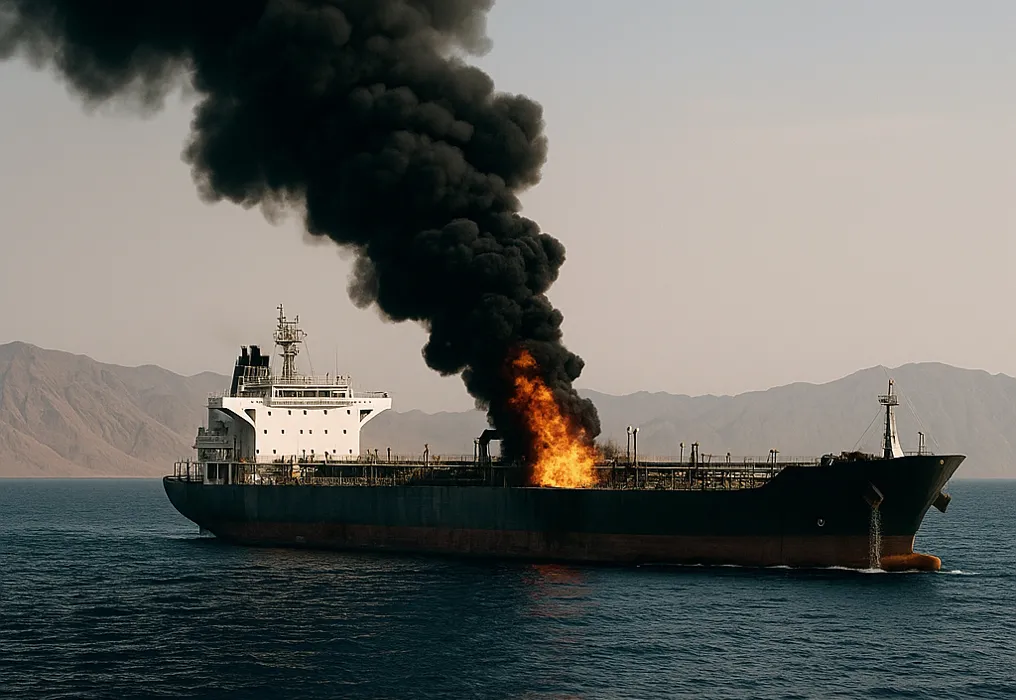
A news channel website cited real-time satellite imagery from NASA's Fire Information for Resource Management Information System (FIRMS), which clearly shows the fire spots in the area in question.
At the same time, the foreign media reported that recently in the Strait of Hormuz and the surrounding Gulf area, the electronic interference suffered by the navigation systems of commercial vessels has increased significantly, resulting in serious abnormalities in the signals of more than 900 vessels, which seriously affects the normal navigation of vessels in the region.
Currently, the Strait of Hormuz serves as a key corridor for global energy transportation, transporting some 20 million barrels of oil and related products daily, accounting for nearly one fifth of global seaborne oil trade. This strategic waterway has once again become the focus of global attention due to the volatile regional situation.
The Strait of Hormuz, located between Iran and Oman, is an important channel connecting the Persian Gulf and the Gulf of Oman. With a total length of about 150 kilometers and a narrowest point of only 38.9 kilometers, with an average depth of 70 meters and a shallowest point of only 10.5 meters, the Strait bears the important mission of global energy supply and is known as the "world's petroleum valve" and the "general valve of the Middle East oil reservoir".
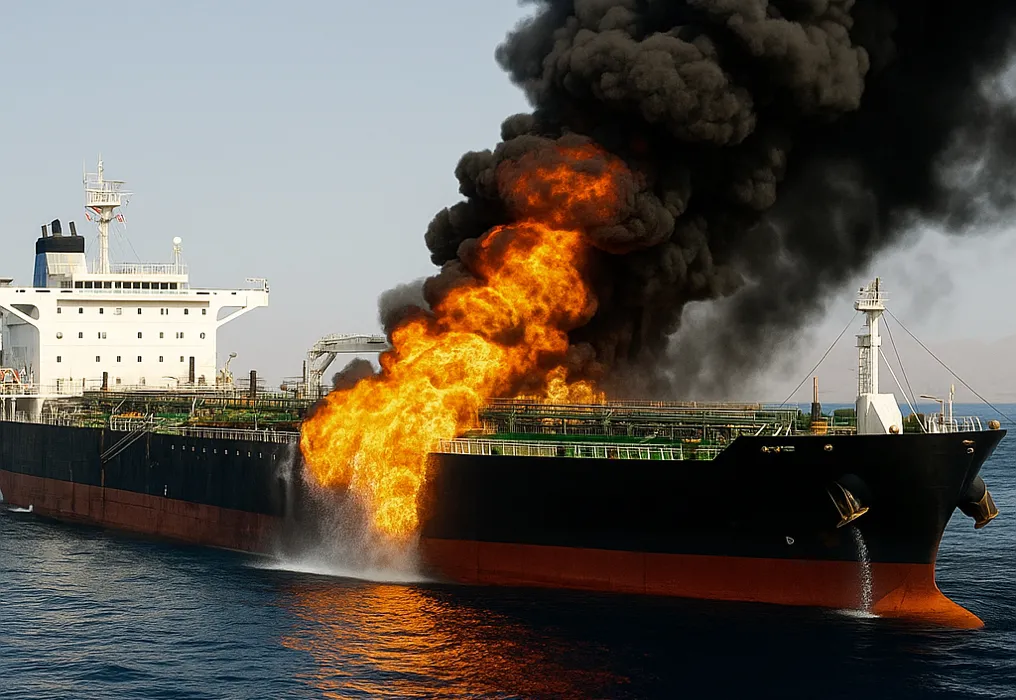
The Iranian side is reportedly seriously considering the possibility of whether to blockade the Strait of Hormuz. Notably, in 2019, Iran has repeatedly signaled a possible blockade of the strait in protest of the U.S. withdrawal from the nuclear deal and the reinstatement of sanctions.
While there is currently no direct evidence that commercial shipping has been specifically targeted, we should not underestimate the risk of a rapid escalation of conflict over shipping, given the region's close proximity to major sea lanes and strategic routes.
Analysts and experts noted that, although the likelihood of a full-scale embargo was currently low, the recent seizure of a container ship had raised concerns about the security outlook for containerized transport.
A complete closure of the Strait of Hormuz would have a serious impact on the global container supply chain. It would not only cut off the trans-shipment function of important ports in the Middle East region, but would also interrupt the import and export routes of countries such as Saudi Arabia, Qatar, Bahrain, Kuwait and Iraq.
Any closure of the Strait of Hormuz would force ships to divert and increase their dependence on ports on the west coast of India to maintain connectivity between the Far East and the Indian subcontinent. The knock-on effect of route changes, port congestion and higher oil prices would lead to a significant increase in maritime container freight rates, and shipping companies may impose additional "security surcharges" on these trade routes.
The current tensions have also reduced the likelihood of container ships returning to the Red Sea route. Attacks on vessels in the Red Sea region over the past year and a half have had a significant impact on ocean freight rates. If the Middle East conflict escalates further, freight rates could see even more dramatic fluctuations...
Author: Kim
If you need to know more about the latest developments of the Middle East shipping crisis or international logistics solutions, welcome to contact Xindashun International Logistics (Shenzhen) Co.
Tel:13556688899
Address: 21B03, Jazz Building, No. 4018, Guinbin Road, Heping Community, Nanhu Street, Luohu District, Shenzhen, China.