

February 9, the French government released a report, suggesting that the European Union on China's exports to the European Union 30% tariffs across the board, or let the euro against the yuan devaluation of 20% to 30%, in order to cope with what it called ”industrial competition pressure.
Industry experts point out:
The proposal is for Chinese goods only
May be inconsistent with relevant WTO rules
According to the report, China's manufacturing industry has transformed and upgraded from traditional areas to high-end industries such as electric vehicles, batteries, machine tools and pharmaceuticals.
Under the premise of comparable or better product quality, the production cost of Chinese products is 30% to 40% lower than that of Europe, which is competitive to the traditional industries in Europe.
With reference to the 1985 Plaza Accord, the report proposes to limit the export of Chinese products through tariffs and exchange rate adjustments to create room for local enterprises to develop and to ease the competitive pressure on European industries.
French industry has shown signs of decline in recent years, with the number of net factory closures in 2025 at a record high since 1990, and manufacturing's share of GDP falling to 9%.
At present, there are divergences in the EU's internal stance towards China, with export-oriented countries such as Germany and the Netherlands having close ties with the Chinese market and favoring pragmatic cooperation.
France hopes to push the EU to form a unified policy toward China through its tough stance, and to enhance its influence in the EU.
Meanwhile, cooperating with U.S. trade policy is also a consideration, and France hopes to gain support in areas such as trade and energy through a model similar to the Plaza Accord.
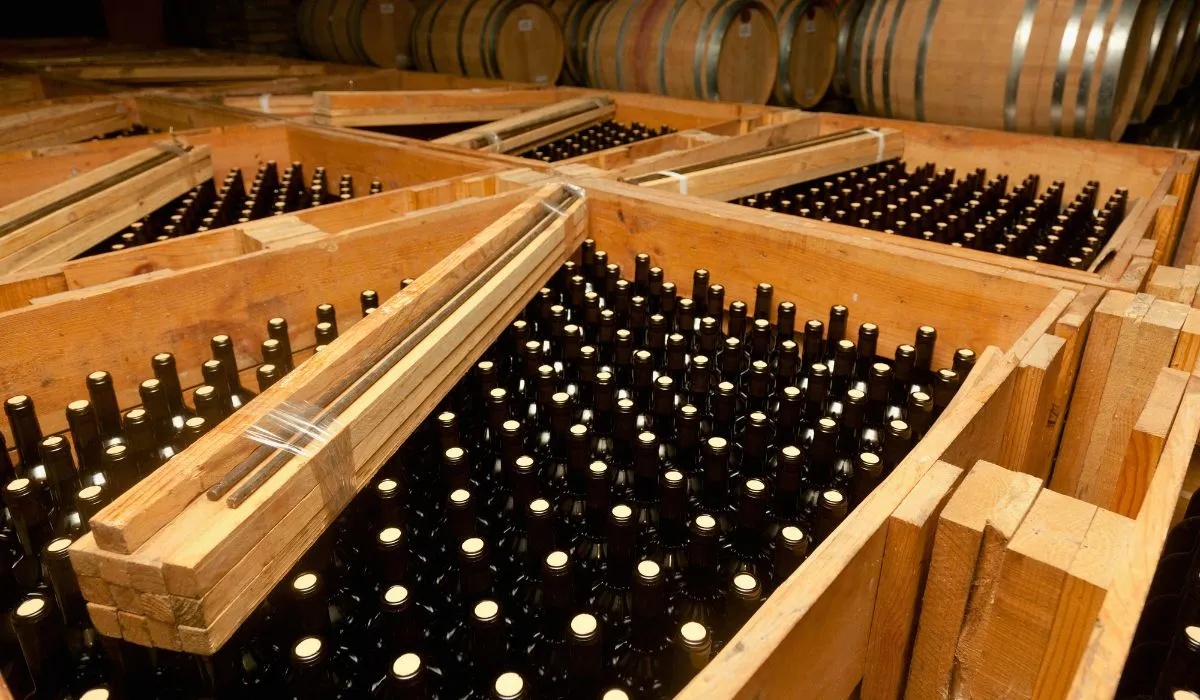
If the EU adopts unilateral measures, China will take countermeasures in accordance with the law, which may include launching anti-dumping and countervailing investigations on EU wines and adopting reciprocal tariff measures, said the source.
China is an important market for EU wine, with nearly $700 million in wine exports from the EU to China in 2024, about half of which came from France, an industry whose exports to China have declined in recent years.
France's aerospace and consumer goods industries, Germany's automotive and mechanical engineering, and Switzerland's manufacturing and financial services all have strong ties to the Chinese market.
Instead of adopting trade protection measures
How about jointly promoting the stable development of economic and trade relations
In the face of economic laws, mutual benefit is the sustainable option.
About Xindashun International Logistics (Shenzhen) Co.
Ltd. is committed to providing customers with international logistics solutions to help companies cope with changes in the international trade environment. For more information on international trade compliance, please feel free to contact us.
Contact: 13556688899
Address: 21B03, Jazz Mansion, No. 4018, Guinbin Road, Heping Community, Nanhu Street, Luohu District, Shenzhen, China
Author: Kim