

Recently, the conflict in the Middle East has continued to escalate and the situation has become increasingly tense. As the security situation continues to deteriorate, the international shipping industry has begun to take appropriate measures to ensure the safety of crews and cargo.
A few days ago, an internationally renowned shipping company released an announcement on its website entitled "Update on Israeli Operations", announcing that it had suspended its vessels from calling at the port of Haifa, Israel, and from accepting cargoes destined for Haifa because of the ongoing tensions between Israel and Iran.
The company said the decision was made after "careful analysis of the risk assessment report in the context of the current situation, taking into account, inter alia, the potential risks of calling at Israeli ports and the possible impact on the safety of the crew."
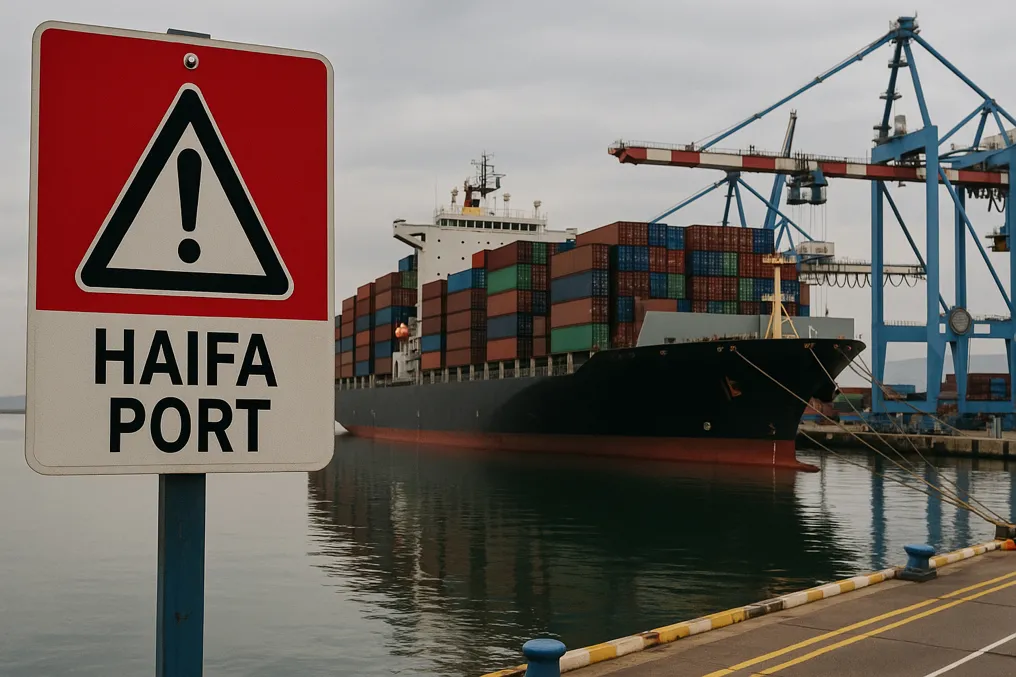
The safety of crews and operations is a primary concern. The precautionary measures are designed to effectively protect personnel, assets and customers' cargoes in the event of regional instability. Currently, the company is in close communication with affected customers and is actively providing alternative transportation solutions to minimize the impact of service disruption.
At the same time, another international shipping giant made an announcement of a temporary cutback in its Haifa, Israel, port services.
The company said it is closely monitoring geopolitical developments in the Middle East, maintaining crew and cargo safety and service reliability as its top priorities.
Following a thorough assessment of the current security environment, the company has decided to temporarily reduce services to the port of Haifa, Israel. For the time being, its Atlantic Loop 7 (AL7) will continue to maintain port calls, while the Eastern Mediterranean Express 3 (EM3) has suspended acceptance of all cargoes to Haifa.
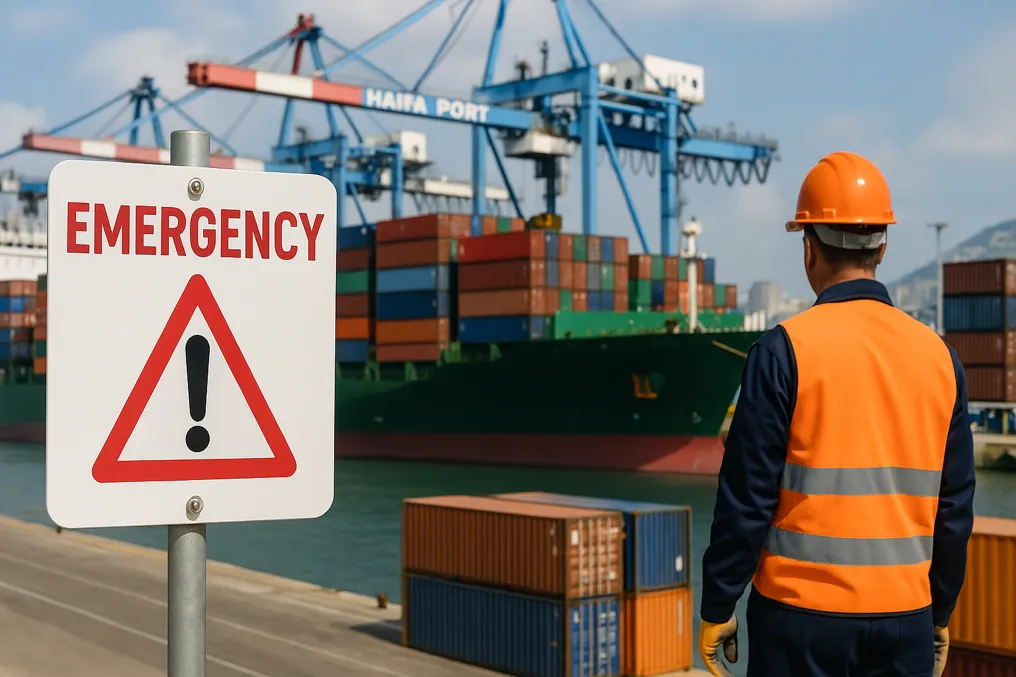
The company said it is actively monitoring the situation through the relevant authorities and port operators.
Also according to the latest CCTV news, it was learned on the 22nd of local time that Kousari, a member of the National Security Committee of the Iranian Parliament, said that the Iranian Parliament has concluded that the Strait of Hormuz should be closed, but the final decision is still in the hands of Iran's Supreme National Security Council.
The Strait of Hormuz is a key shipping lane for global oil transportation, located between Oman and Iran, connecting the Gulf of Oman in the east and the Persian Gulf in the west, and is the only sea route for oil exports from the Gulf region to all parts of the world, with about one-third of the world's seaborne crude oil trade passing through it.
Freight rates for tankers carrying oil products from the Middle East have risen significantly in recent times as a result of the situation in the Middle East. Major global shipping associations have indicated that the number of ships passing through the Strait of Hormuz is currently decreasing, while the cost of insurance for ships sailing in the Red Sea and the Persian Gulf has risen significantly.
Author: Kim
If you need to know more about the impact of the situation in the Middle East on international logistics, or are looking for alternative route solutions, please contact Xindashun International Logistics (Shenzhen) Co.
Tel:13556688899
Address: 21B03, Jazz Building, No. 4018, Guinbin Road, Heping Community, Nanhu Street, Luohu District, Shenzhen, China.